Seasonless Staples: Building a Core That Never Goes on Sale
Every experienced buyer eventually learns the same lesson: the money is quieter than the trend. The pieces that look most exciting on a mood board are often the ones marked down first, while the plain, dependable staples quietly carry the business.
A seasonless core is built from garments whose appeal does not depend on the moment. The cotton polo, the crew-neck tee, the oxford shirt, mid-weight knitwear — these sell in January and July, in Hamburg and in Milan, this year and next. Because they do not date, they carry almost no markdown risk, which is the single biggest hidden cost in apparel.

It is worth being strict about what qualifies, because "classic" is a word that gets stretched to cover whatever someone over-bought. A genuinely seasonless piece is moderate in weight, so it works across more of the year. Its cut is close to the middle of the market rather than to this year's silhouette. Its colour is core. And its branding is restrained — a small mark rather than a large one, because a big logo dates to the season it was designed for even when the garment underneath does not.
The markdown arithmetic is what makes this more than a matter of taste. A trend piece bought at €18 and sold at half price returns €18 against a €36 intention; a staple bought at €18 and sold at full price twelve months later returns the full margin, minus the cost of the shelf space it used. You do not need many discounted trend pieces to wipe out the extra margin they promised, and most buyers discover the exact ratio the hard way.
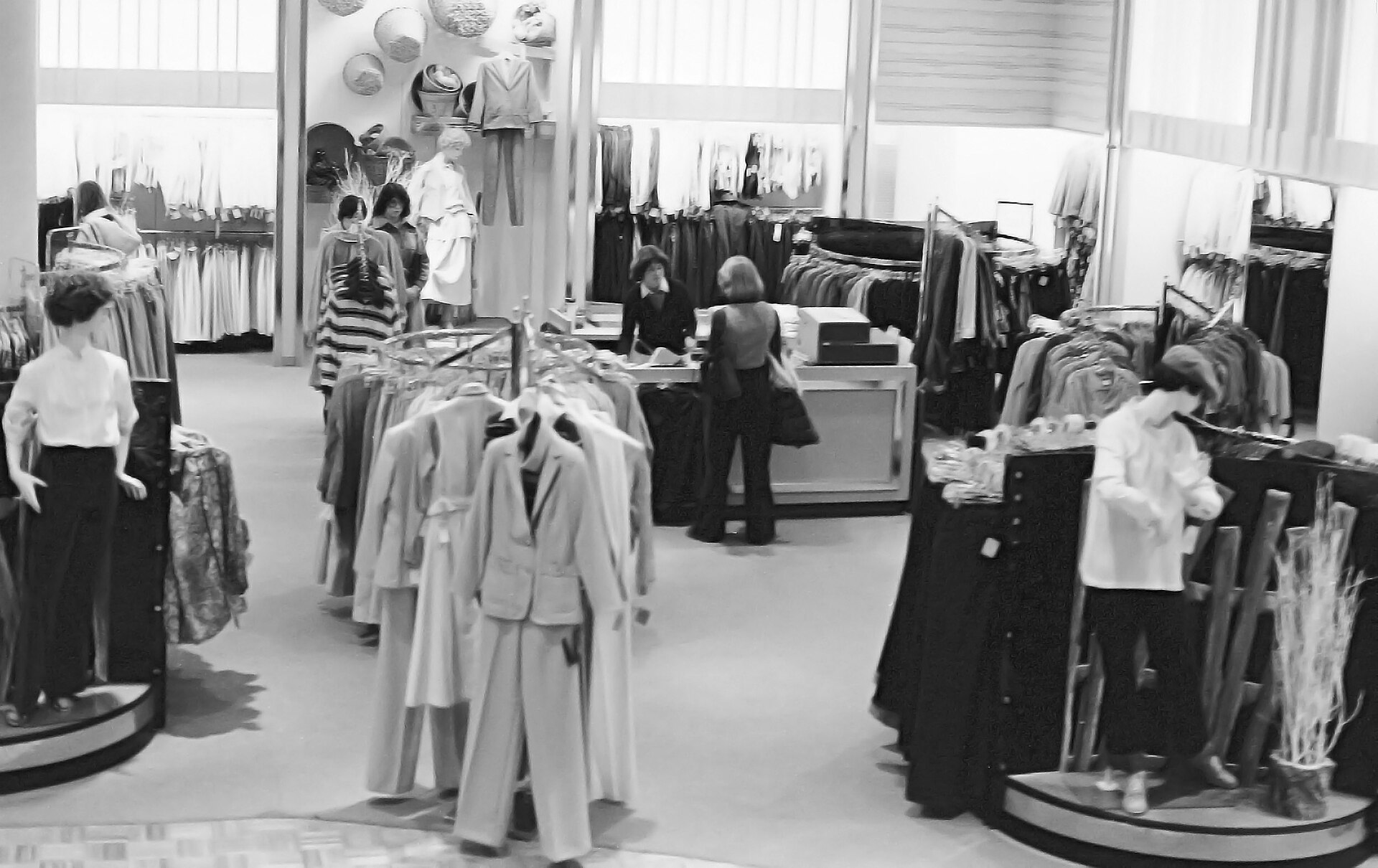
Colour follows the same rule. A core built on black, white and navy travels anywhere; seasonal shades are the accent, not the foundation. The safest inventory is the one you could still sell a year from now without discounting.
The discipline that makes a core work is replenishment rather than range. A staple earns its place by being there every time someone asks for it, which means depth in the sizes that sell and a reorder placed before the gap appears, not after. A core that is out of medium for three weeks is not a core; it is just stock that happens to be plain. This is also why staples reward buying from a source you can go back to, rather than whoever was cheapest on the day.

Staples also compound. A retailer who knows you always carry a clean core comes back for it, which turns a one-off sale into a standing order — the most valuable thing a wholesale relationship can produce.
The trap worth naming is that "seasonless" becomes a licence to over-buy. Low markdown risk is not no risk: capital in a staple is still capital you cannot spend elsewhere, and a stockroom full of perfectly sellable polos is still a stockroom you cannot use. The rule that keeps this honest is to size the core to what you can turn, not to what you could eventually sell.
On VESTRA, the core categories are always well represented, so building a dependable, seasonless position is straightforward: stock what always sells, add trend on top, and let the staples pay the rent.