What EEA Stock Actually Means on a Listing
Some listings on VESTRA are marked EEA stock, with proof available on request. It reads like a formality. It is not — it is one of the most consequential lines on the page.
Goods already inside the European Economic Area have cleared customs. For a buyer in the EEA that means no import duty to calculate, no clearance broker, no consignment held at a border while paperwork is chased. The price you agree is much closer to the price you actually pay, which is the whole difficulty with landed cost on goods arriving from outside the bloc.
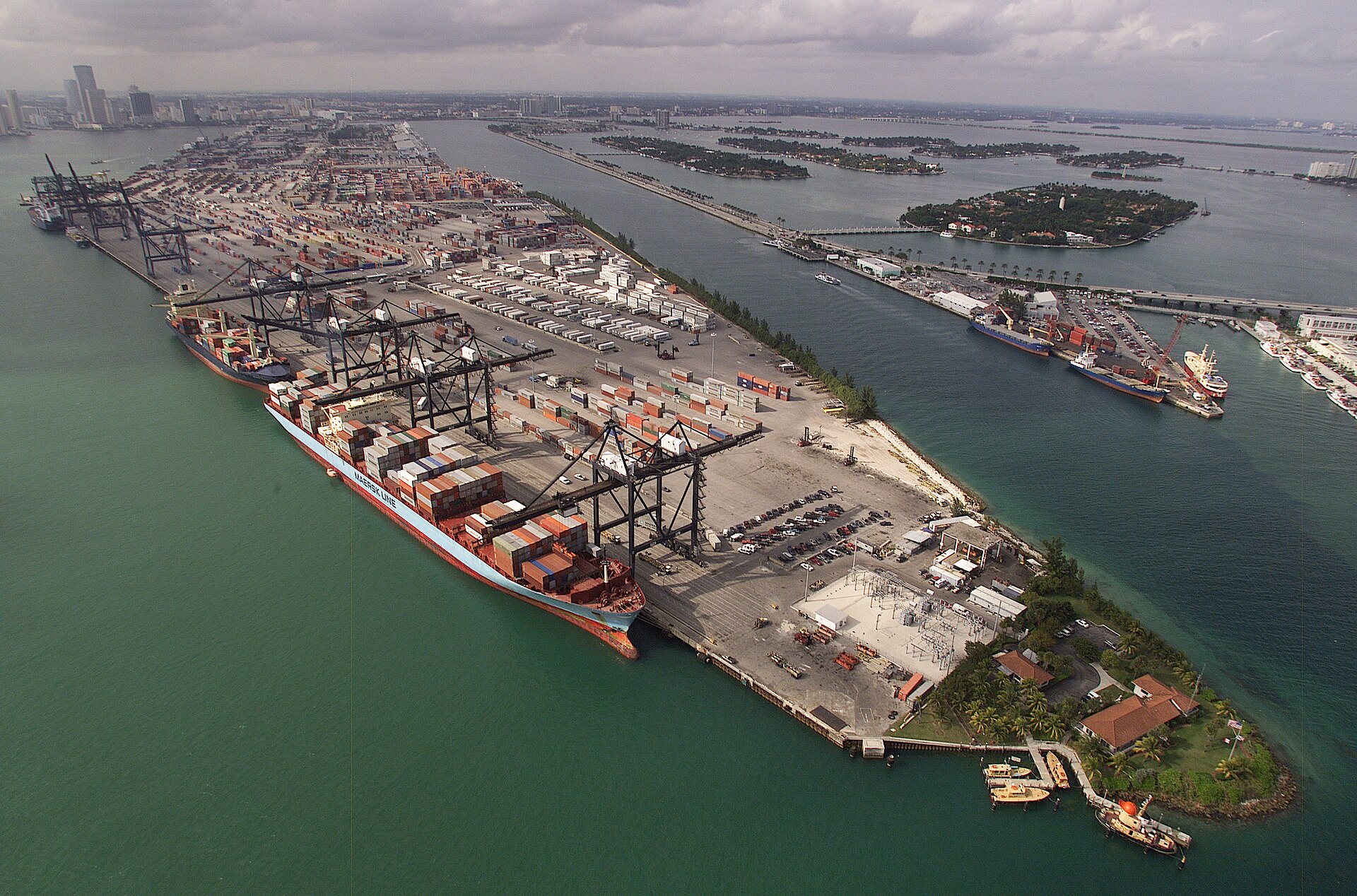
It also compresses lead time. Stock sitting in a European warehouse ships in days. The same goods in transit from outside can take weeks, and the variance is worse than the average — it is the unpredictability that breaks a season plan, not the delay itself.
The proof-on-request part matters just as much. A seller who can produce the paperwork placing goods legitimately inside the EEA is a seller who can also account for where those goods came from. That is the same evidence trail that answers a brand-authenticity question, which is why the two tend to travel together.

None of this makes non-EEA stock a bad buy. It makes it a different buy, with costs that arrive later and less predictably. The mistake is comparing a unit price on EEA stock against a unit price on goods still outside it and treating the two numbers as though they were the same kind of number.
If a listing does not say where the goods sit, that is a reasonable question to put to the seller before you order — and a reasonable thing to expect an answer to.

There is a practical way to use this when you are comparing two offers. Build the comparison in landed terms rather than unit terms: unit price, plus duty where it applies, plus clearance handling, plus the cost of the extra weeks the goods spend in transit. That last item is real even though no invoice shows it — stock arriving four weeks late into a season sells at a different price than stock arriving on time.
The same line matters for returns. Goods already inside the bloc can go back to a European address if something is wrong. Goods that came from outside it may have to be returned across a customs border, which turns a straightforward return into an export formality with its own paperwork and its own cost. Sellers rarely volunteer this at the point of sale, and it is a fair question to ask before you commit.
Finally, EEA stock tends to correlate with availability you can actually verify. Goods physically in a European warehouse can be counted. Goods described as available but still in transit are a forecast, and forecasts slip. If a listing's quantity matters to your season plan, where the stock sits is the first thing to establish, not the last.