The Resale Boom and What It Means for Wholesale Buyers
The market for branded clothing no longer flows in one direction. Alongside the traditional path from brand to retailer to consumer, a fast-growing resale and off-price channel now recirculates stock — and it is changing the economics for everyone who buys and sells at wholesale.
For a wholesale buyer, the first effect is supply. End-of-season overstock, cancelled orders and graded returns that once sat in a warehouse now reach the open market faster and in greater volume. That means more branded parcels to buy — but also more variation in condition and provenance, which makes verification matter more than ever.
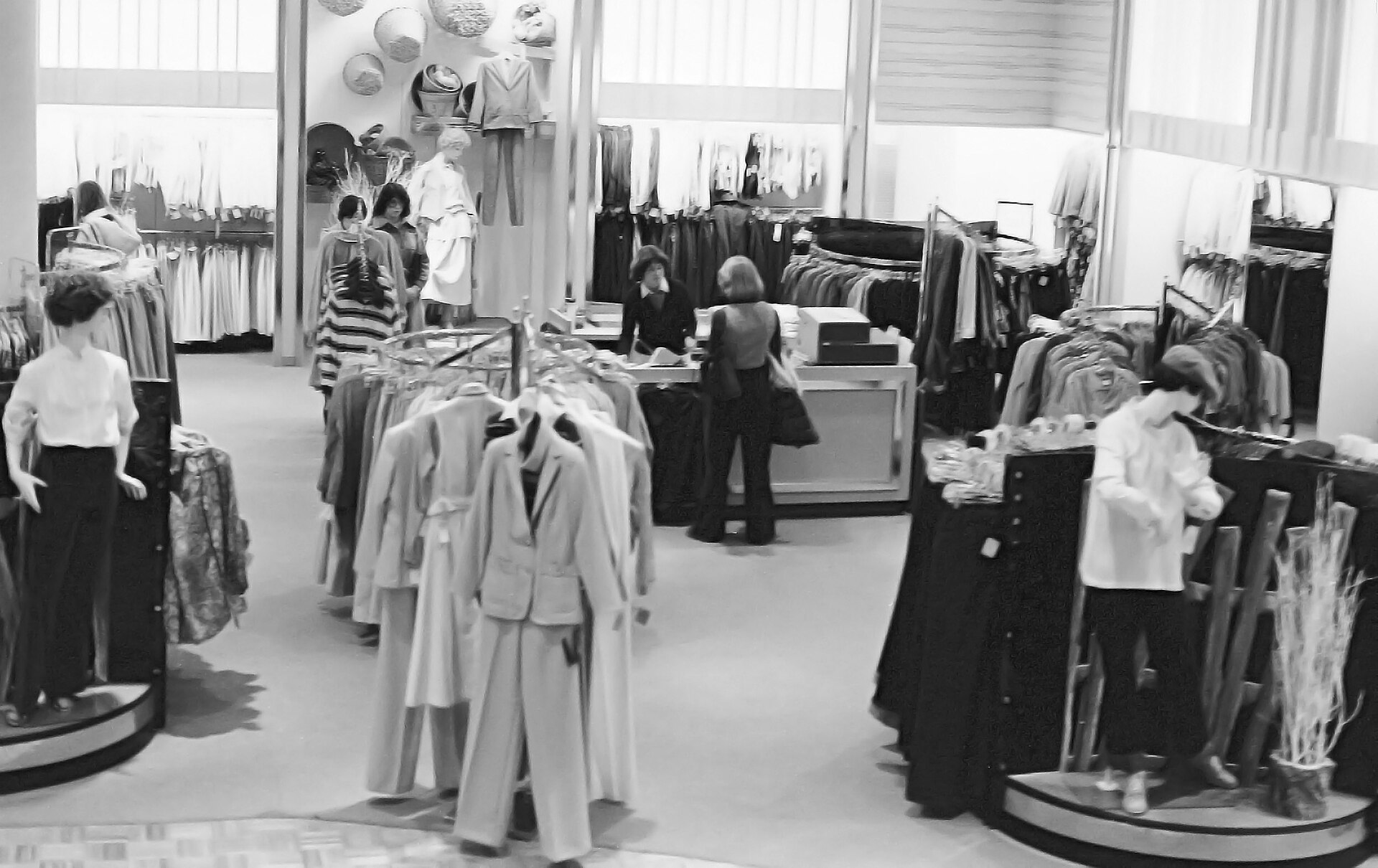
It helps to know what you are looking at, because these parcels arrive by very different routes and the route tells you what to expect. A cancelled order is usually the cleanest stock in the market: first quality, packed for a retailer who never took it, often with a full size run intact. End-of-season overstock is also first quality but rarely balanced — the sizes and colours that sold are gone, and what remains is the tail. Graded returns are a different business entirely, sold by condition grade, where the grade is the whole of the deal and the word of whoever assigned it is what you are buying.
The second effect is demand. Consumers who happily buy pre-owned and off-price are less anchored to full retail pricing, which supports a healthy floor under the branded stock you carry. A well-bought parcel has more than one exit: your own retail, an off-price account, or an online resale channel.
That optionality is worth more than it looks. A buyer with one exit has to be right about the season, the colour and the size curve. A buyer with three can be wrong about one of them and still clear the stock at a profit, because what does not work on their own floor in March can go to an off-price account in June rather than into a markdown bin. Before you commit to a parcel, it is worth naming the second exit out loud. If you cannot, you are buying with one.
The risk is buying blind. In a market moving this quickly, the difference between a bargain and a mistake is knowing exactly what you are getting — first-quality versus graded, authentic versus uncertain, a balanced size run versus the leftovers.

The size run is where more money is lost than anywhere else, and it is the easiest thing to check before you pay. A hundred pieces described as a mixed pack can mean a clean curve across S to XXL, or it can mean sixty XXL and four M, because the M sold out in the channel this parcel came from. Ask for the actual breakdown by size and colour, in writing, before the invoice. A seller who has the stock can produce that in ten minutes; a seller who cannot is telling you something either way.
Provenance deserves the same directness. Ask where the stock came from and expect a specific answer — a cancelled order, a closing account, a distributor clearing a warehouse. "Comes from a good source" is not an answer. It is also entirely reasonable to ask what documentation travels with the goods, because a parcel you cannot evidence is a parcel you cannot resell to a customer who asks.
That is where a verified marketplace earns its keep. On VESTRA, every seller is checked and every order is escrow-protected, so you can move on fast-flowing stock with the confidence the resale era demands — and the questions above stop being awkward. They are just what the paperwork already answers.