Off-Season Buying: The Calendar Edge Smart Wholesalers Use
There is a rhythm to wholesale pricing that has nothing to do with fashion and everything to do with the calendar. Stock is cheapest when the people holding it most want it gone — and that moment is almost never when shop-floor demand for it peaks.
The classic example is seasonal transition. As a season closes, brands and distributors carry inventory they would rather turn into cash than store. A buyer with the space and the patience can acquire that stock at a fraction of in-season cost and hold it for the same season next year, or sell it into warmer or cooler markets where the calendar runs differently.
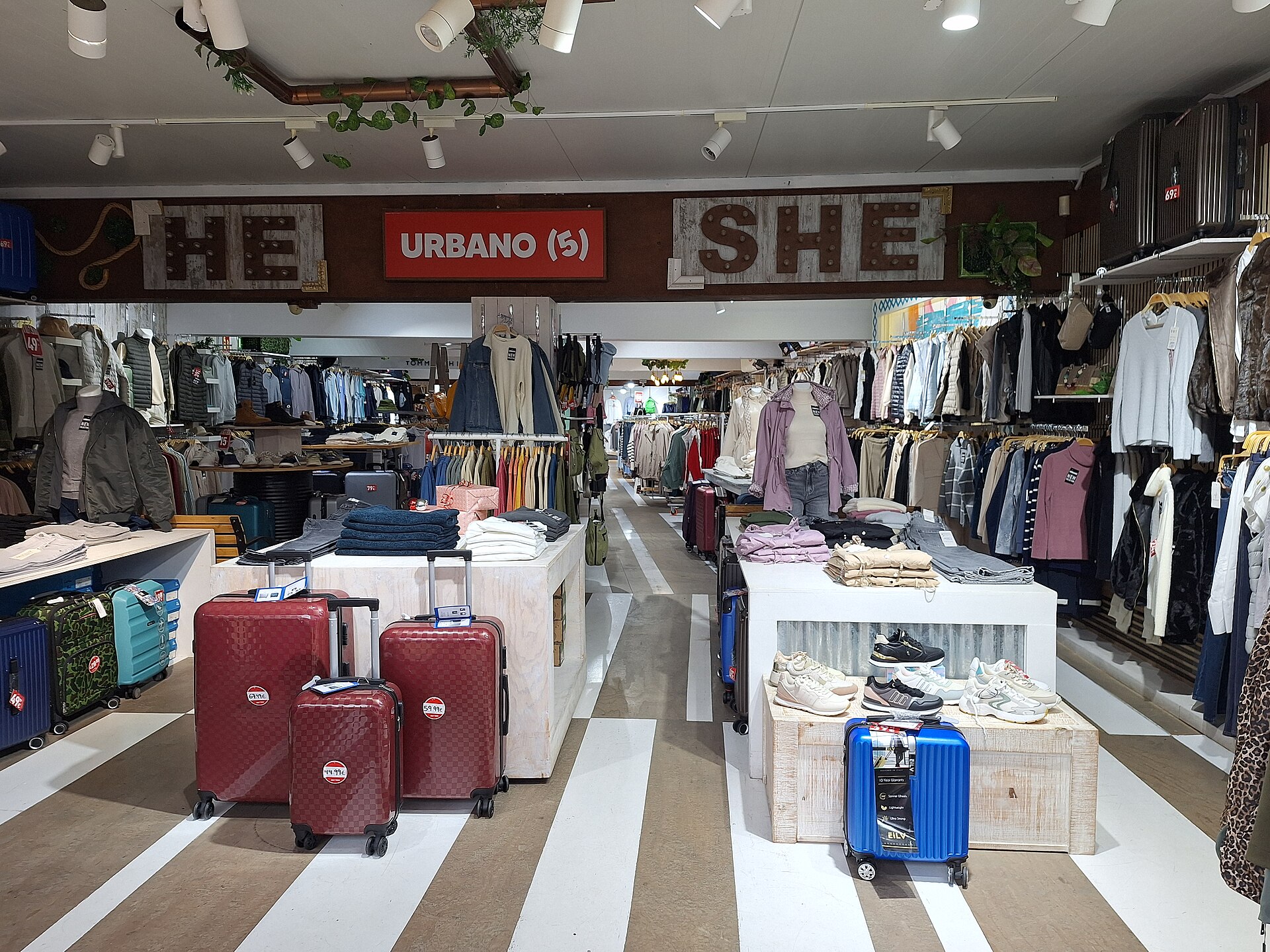
It is worth understanding why the seller is motivated, because that tells you how hard to push. Warehousing costs money every month the goods sit. A season's stock that rolls into the next financial year sits on the balance sheet as inventory rather than cash, and finance departments dislike that more than sales departments dislike a discount. Distributors often have contractual clearance dates. None of this is desperation; it is arithmetic, and it is why the same parcel carries two very different prices eight weeks apart.
The same logic applies to seasonless core product. Polos, tees and basic knitwear do not expire, so buying them in the quiet weeks — when sellers are chasing volume, not holding out for peak pricing — is simply good treasury management. A navy piqué polo bought in November is the same garment in May, and the only thing that has changed is what you paid for it.
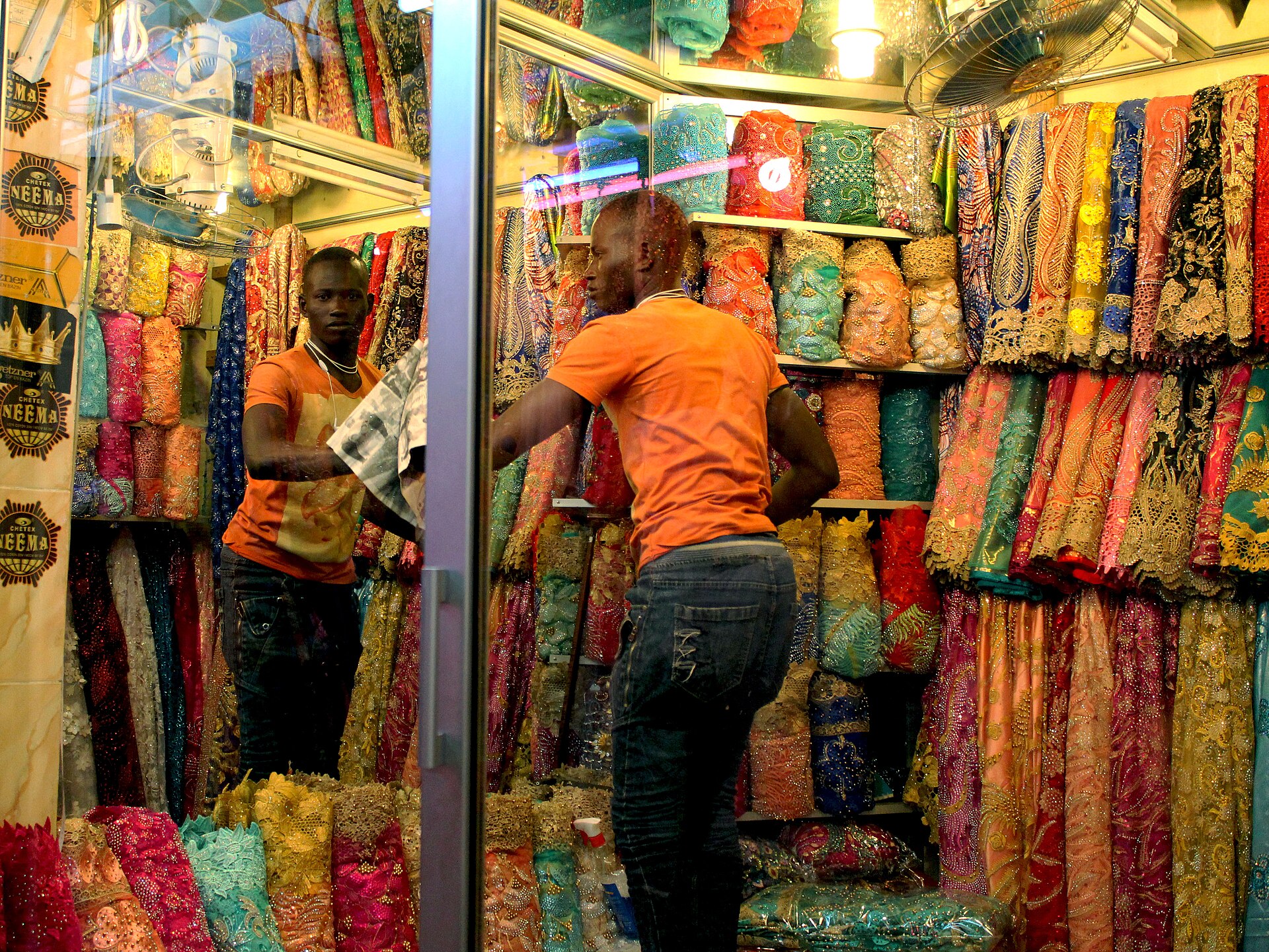
Geography extends the same trick. The Southern Hemisphere runs six months out of phase, so European end-of-summer stock is arriving into a market entering summer. Warmer markets carry lighter weights year-round. Even within Europe, the selling window for a mid-weight knit in Málaga is not the window in Helsinki. A buyer who sells into more than one climate is not buying off-season at all — they are buying in season, for somebody else's season.
The discipline is cash flow. Off-season buying ties money up before you sell, so it rewards buyers who plan their float and avoid over-committing on any single parcel. The honest way to think about it is as a trade: you are exchanging cash you could use now for a better unit price later, and that trade is only good if you can genuinely spare the cash for the whole holding period.

Two costs are usually left out of that calculation and both are real. The first is storage — not just the rent, but the handling, the stock counts, and the space something else could have occupied. The second is the risk of the goods dating. Core product barely ages; a strong seasonal colour ages fast, and a logo-led piece can age faster still. As a rough rule, the further a garment sits from the core, the shorter the sensible holding period, and a heavily branded seasonal piece is rarely worth holding for twelve months at any discount.
There is also a simple test for whether a given off-season buy is worth doing. Take the discount against in-season cost, subtract your storage and handling for the months you will hold it, and compare what is left against what the same cash would earn working somewhere else in the business — a faster-turning line, a fixture that lifts sell-through, paying down a facility. If the margin only just survives that comparison, the buy is a way of feeling clever rather than a way of making money.
On VESTRA you can watch stock across sellers and seasons in one place, so the calendar edge is easier to work: buy when it is cheap, sell when it is dear, and let someone else pay to store the difference.