Build a Colour Assortment That Actually Sells
Ask any experienced buyer where margin is won and lost, and colour will come up before price. Buy the right shades in the right ratio and stock turns quickly. Buy the wrong ones and you are running markdowns by week six.
Start with the core. Black, white and navy are not exciting, but they are the backbone of almost every category — and they sell through in every market and every season. As a rule of thumb, the core should carry the majority of your units, and on a first order with an unfamiliar garment it should carry considerably more than that.

Then add the seasonal accents. A considered green, a warm stone, a deep burgundy in autumn — these are the shades that make a rail look current and give a customer a reason to pick your product over an identical one. But accents are a garnish, not the meal: over-buy them and you are left with odd sizes in odd colours.
The useful way to think about the split is by the job each colour does. Core colours are there to sell; they do not need help and they will still be sellable next year. Accents are there to make the core sell — they pull a customer to the rail, and a good proportion of them then leave with the navy. Judging an accent purely by its own sell-through misses half of what you bought it for, which is also why cutting accents to nothing tends to flatten sales of the core along with them.
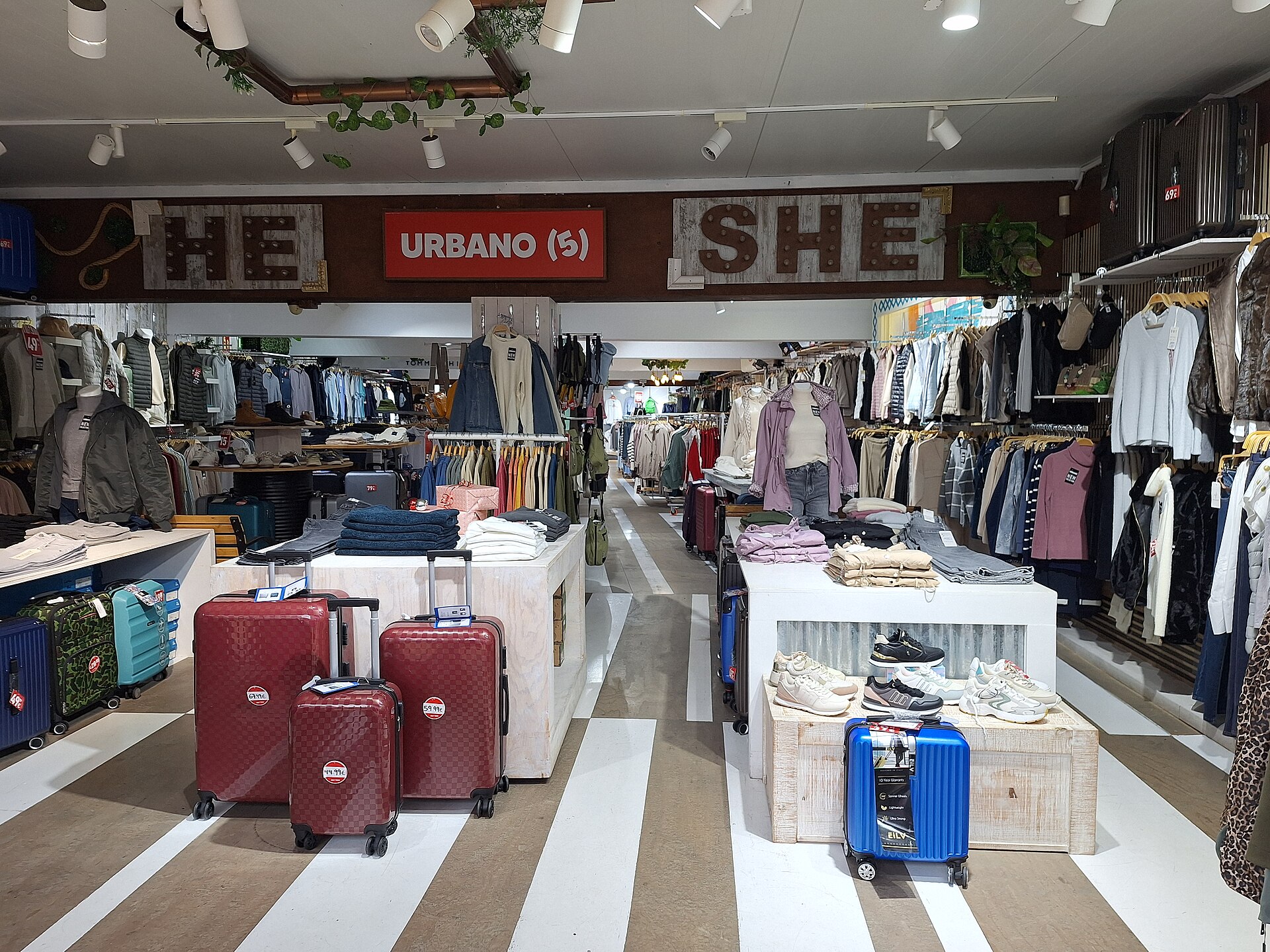
Watch the size-colour interaction. The safest accent colours belong on the safest sizes — the middle of the curve — while the extremes of the size run are best kept to core shades that always move. An XXL in a strong seasonal green is the single most likely piece in the order to end up on the markdown rail, and buying it is usually the result of accepting a supplier's standard ratio rather than specifying your own.
Undertone matters more than the colour name, and it is where a lot of otherwise sensible buys come apart. Two greys from different suppliers rarely hang together — one leans blue, the other brown — and a rail of near-misses reads as tired rather than coordinated. If you are buying the same shade across brands, ask for a swatch or a sample before committing, and put the pieces next to each other in daylight rather than under shop lighting, which flatters everything.
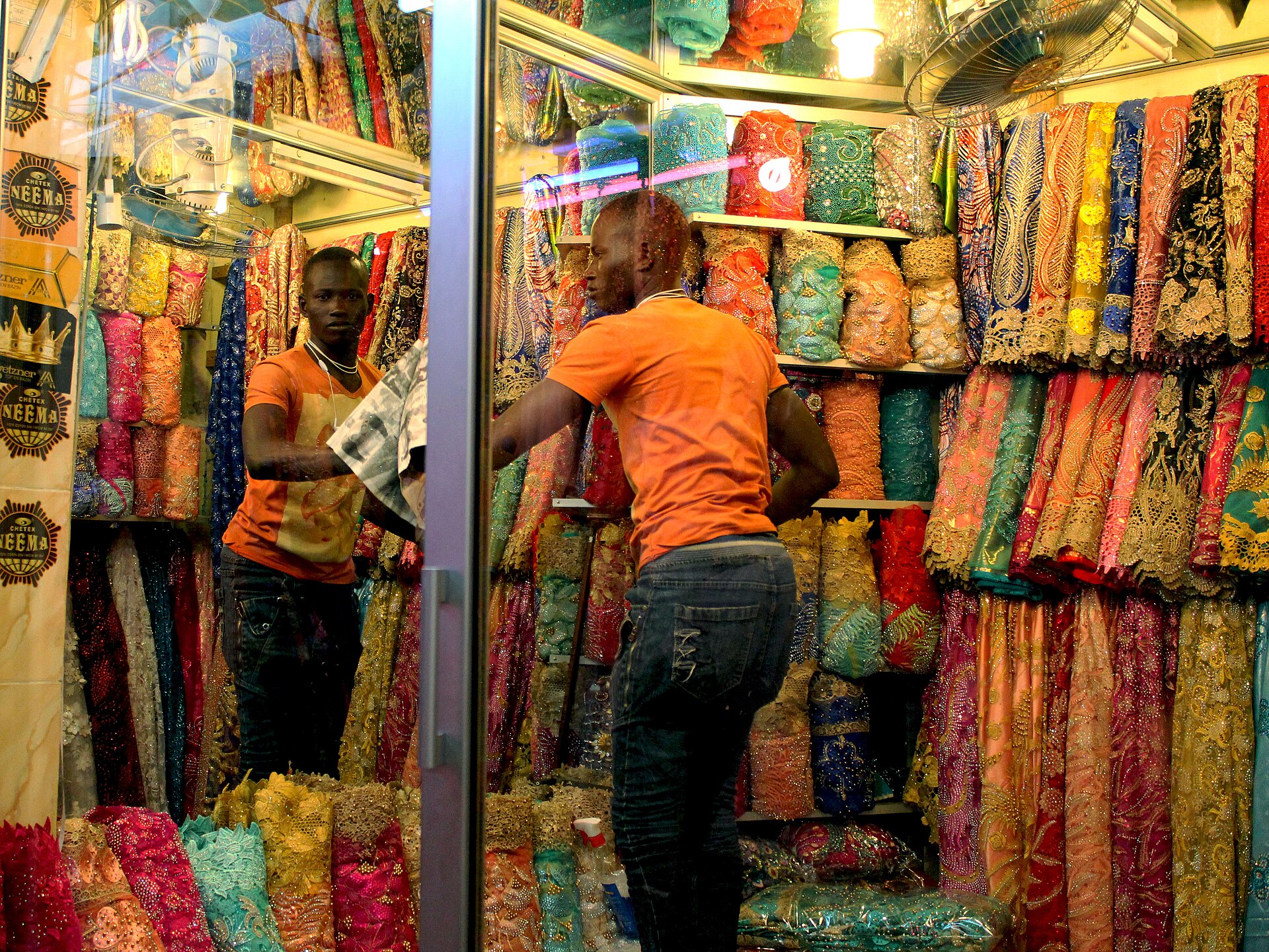
Think about how the colours work as a set, not just individually. A rail where every accent coordinates with every core piece gives the customer permission to buy two things instead of one; a rail of accents that fight each other quietly caps every basket at a single item. This is the cheapest merchandising decision you will make all season, because it costs nothing at the point of ordering and cannot be fixed afterwards.
Two practical checks before you send the order. First, count what proportion of the units are in colours you would happily still be holding in twelve months — if that number is under half, the order is riskier than it feels. Second, look at last season's markdown rail and note the colours on it. That rail is the most honest report you will get on your own colour judgement, and it costs nothing to read.
Finally, let the data lead the next order. The colour that sells out first is telling you something; the one still on the rail is telling you more. On VESTRA, mixed-colour packs let you test breadth without over-committing — so your second order is smarter than your first.