Order a Sample Before You Order a Carton
The single most expensive habit in wholesale buying is committing to a minimum order on the strength of a photograph. A packshot cannot show you the hand of a fabric, how a collar behaves after a wash, or how far a colour drifts from what your screen renders.
This is why most listings on VESTRA carry a sample price alongside the wholesale tiers. One piece, at a unit price closer to retail, shipped on its own so you can put it on a rail next to the goods you already trust.
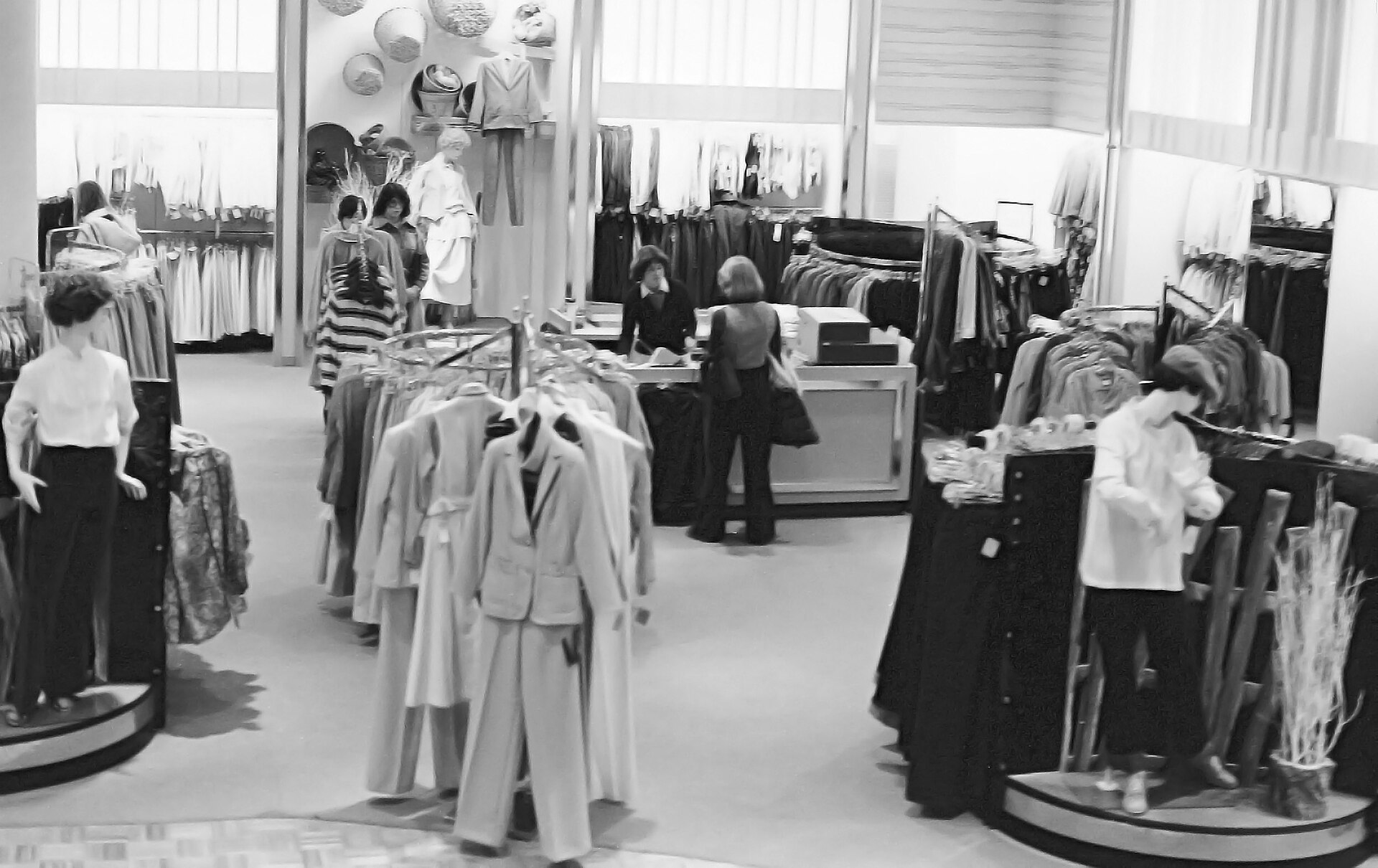
What to check when it arrives is not complicated. Weigh the fabric in your hand against a garment you already stock. Wash it once at the temperature your customers actually use, not the one on the label. Look at the collar and cuff after that wash, since ribbing is where a cheaper piqué gives itself away. Check the colour under your shop lighting rather than daylight, because that is the light your customer will judge it in.
The economics are plain. On a minimum order of eighty pieces at €34.00, a sample costs a small fraction of the order it de-risks. If the sample is wrong, you have saved yourself the whole buy and the discounting that would have followed it. If the sample is right, you order with a confidence no photograph could have given you.
Sampling also changes the conversation with the seller. A buyer who has handled the garment asks better questions — about lot consistency, about whether the next production run matches the one in hand. Those are the questions that separate a repeat supplier from a one-off punt.

There is a second, less obvious use for a sample: it is the reference you keep. Put it aside once you have judged it, labelled with the date and the lot, and it becomes the thing you measure the next delivery against. Fabric weight drifts between production runs, and it drifts quietly. Without a reference piece you will notice only when a customer does.
It is also the fastest way to settle a dispute. A claim that goods do not match the description is hard to argue from memory and easy to argue with the sample in hand — you have the seller's own reference piece, sent by them, to hold against what arrived. Buyers who keep samples resolve problems in one message. Buyers who do not spend a week describing a fabric over email.
None of this argues for sampling everything. On a repeat line from a seller you have bought from ten times, the sample is a formality you can skip. It earns its cost on the first order, on a new colourway, and on any garment where the fabric is doing the work — knitwear, brushed fleece, anything where weight is the difference between a garment that sells and one that gets returned.