Amazon's $60bn B2B Engine: What Fashion Wholesale Can Learn
In July, Amazon said its business marketplace had reached $60 billion in annualised gross sales in the second quarter of 2026. Amazon Business, launched in the United States in 2015, now serves more than 11 million organisations in 11 countries — among them Germany, France, Italy, Spain and the United Kingdom — and counts 97 of the Fortune 100 among its customers. Some 1.8 million organisations joined in the first half of this year alone.
Two qualifications keep the number honest. It is gross merchandise value — everything bought through the marketplace — not Amazon's revenue. And more than half of it, by Amazon's own account, is sold by third-party sellers rather than by Amazon itself; Marketplace Pulse estimates that share at roughly $30 billion. The engine is, in other words, mostly other people's stock moving under Amazon's rules. Those rules changed three times this autumn, and each change says something about what business buyers now expect.
Deliveries that arrive when someone is there. Since 30 September 2026, seller-fulfilled orders to Amazon Business customers must reach a Business Hour Delivery Rate of at least 90 per cent: nine in ten shipments have to arrive during the buyer's operating hours, measured over a rolling fourteen days. Sellers below the line on 30 September received a warning; if they have not recovered by 30 October, their seller-fulfilled offers can be switched off for business customers. Orders shipped through Fulfilment by Amazon and sales to consumers are not affected, and the account itself is not closed. The requirement starts in Amazon's US store; reports differ on whether the UK and Germany follow at the same time.
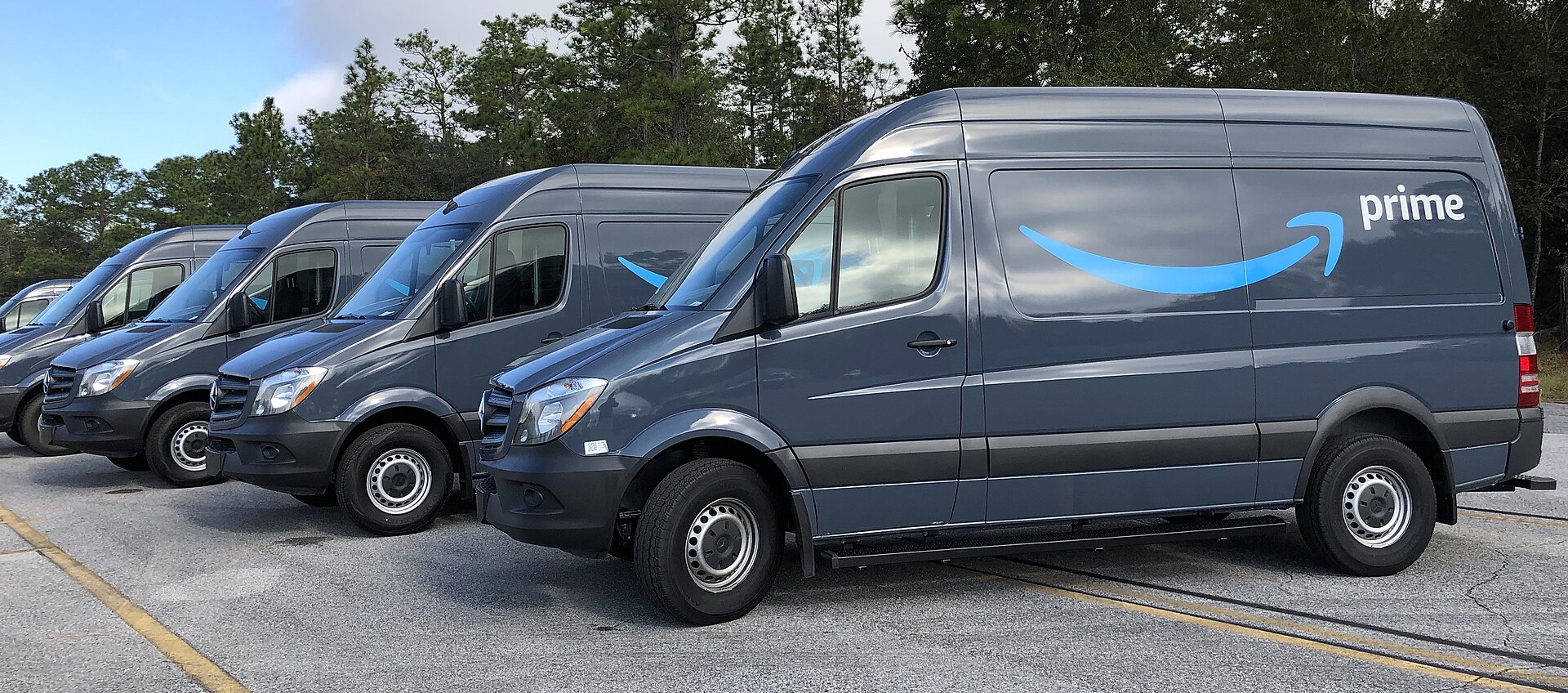
The metric existed before as information; what is new is the consequence. The reasoning is familiar to anyone who has shipped cartons to boutiques: a delivery to a shop that opens at eleven, or closes on Mondays, is not a delivery. It is a missed attempt, a trip back to the depot, and a buyer waiting for stock that the tracking page already calls delivered.
Prices that are only for businesses. On 31 August Amazon opened a business-only deal type to third-party sellers. It is calculated from the seller's Business Price — the price shown only to verified business accounts — and must cut it by at least 10 per cent, or 15 per cent during major sales events. Business pricing, quantity-tier discounts, purchase orders and tax-exempt buying already existed; what changed is that a seller can now run a promotion that a consumer never sees.
A conference for the buying side. On 27 and 28 October Amazon Business holds Reshape, its procurement conference, in Nashville — the fifth edition, for more than 1,000 attendees. The audience is purchasing departments, not merchants. That is the point: Amazon is building for the person who signs the order.

Fashion wholesale is moving the same way. In its 2026 outlook, the wholesale platform JOOR reports that wholesale accounts for 57 per cent of the business of the brands it surveyed, and that 52 per cent of brands name wholesale as their most profitable channel. Two of its five trends are about timing: retailers buying closer to the season and favouring brands with shorter lead times, and tighter collections built around proven styles. In June, Digital Commerce 360 reported that Faire, the marketplace for independent shops, is opening to buyers who purchase for business use rather than only for resale.
Put together, the direction is clear. Business buyers want the convenience of a consumer checkout — prices visible, stock live, delivery predictable — with the terms of a trade account: tiers, invoices, documents.
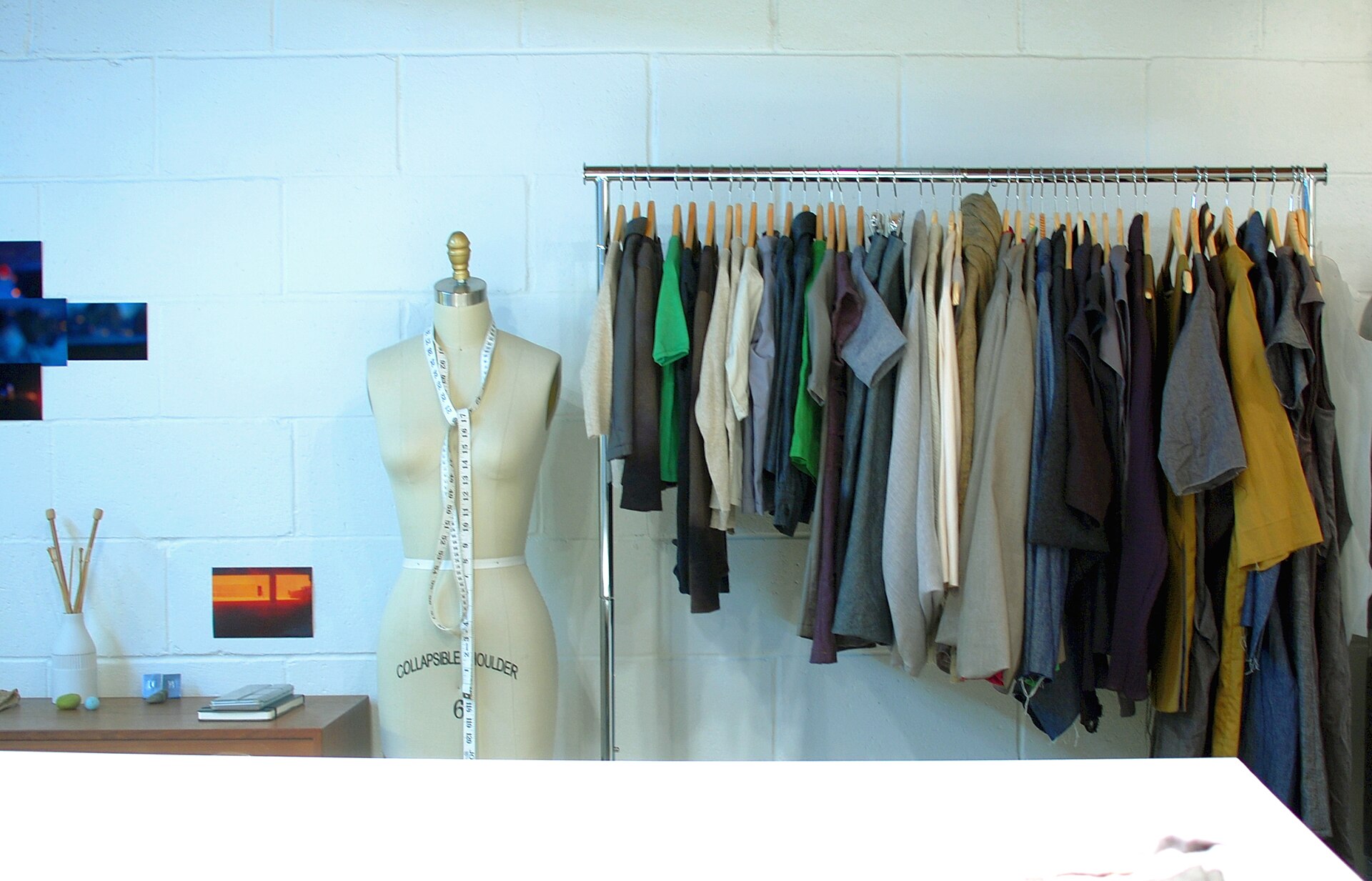
Where the comparison stops. A business marketplace built around the single SKU is at its best on reorders: the same box of printer paper, the same cleaning supplies, delivered tomorrow inside opening hours. Branded fashion wholesale is bought differently. A shop orders a size run, not a size; a colour split, not a colour; a minimum per style; and, for branded goods, a chain of invoices that shows where the stock came from. The unit of the trade is the assortment, and the questions a buyer asks — is the run complete, when does it ship, who invoices it — are not the questions a product page is built to answer.
What to take from it anyway. Four habits from Amazon's playbook translate directly to a fashion supplier. Ask every account for its receiving hours and ship to them. Show tier prices openly to verified buyers instead of making them ask. Issue a proper invoice, in the buyer's currency, for every order. And make reordering a proven style as easy as the first order was.
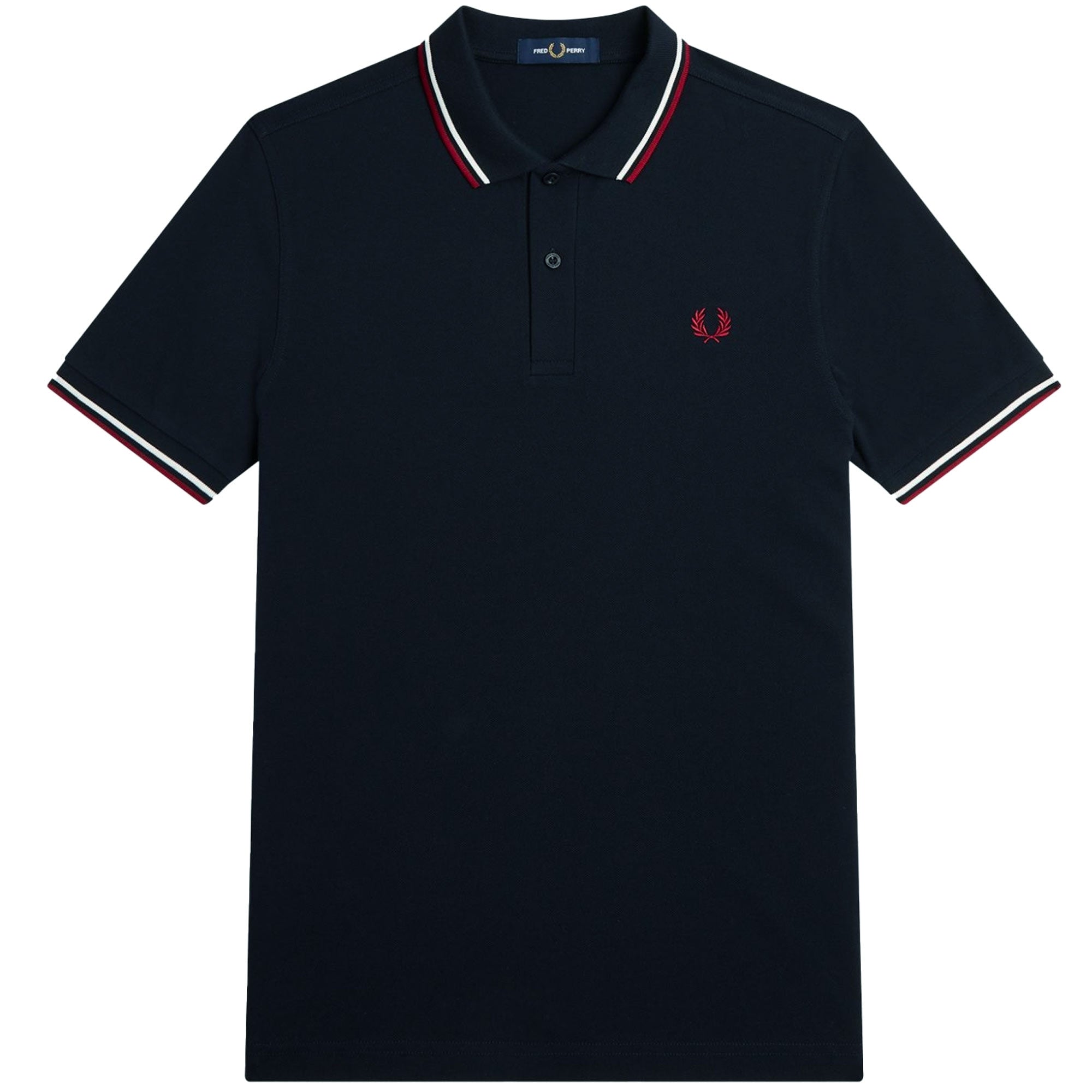
That is also how VESTRA is set up: every seller is verified before listing, approved buyers see trade prices and minimum orders on each product, and every order runs on an invoice in EUR or USD. We do not try to be a marketplace for everything a business buys — only for the branded fashion a shop puts on its rail.
Dates to note. 31 August 2026: business-only deals open to third-party sellers on Amazon Business. 30 September 2026: 90 per cent business-hour delivery required for seller-fulfilled Amazon Business orders in the US store. 27–28 October 2026: Amazon Business Reshape, Nashville. 30 October 2026: offers still below the line can be deactivated for business customers.
Sources: Amazon press release, "Amazon Business reaches $60 billion in annualized gross sales" (July 2026); Marketplace Pulse; Modern Distribution Management; Amazon seller announcements on the Business Hour Delivery Rate as reported by EcommerceBytes, Ordoro and Distribution Strategy; PPC Land on Amazon Business deals; JOOR, "Top Trends in Wholesale 2026"; Digital Commerce 360 on Faire (June 2026). Figures are those published by the companies. This article describes the rules in general and is not legal or commercial advice for a specific account.